
Canopy Science (2)
Challenges of climbing in the cloud forest
Welcome to Canopy Science, our mini-series on adventure and science in the rainforest canopy. We focus on scientists in the rainforest working in the tropics in areas of exceptionally high biodiversity. In these hotspots, localised levels of endemism can limit species to a single 10km area and no-where else in the world. Scientific research up in the forest canopy involves extra challenges as one of the most complex zones to access. With the nature of these challenges meaning there is so much still to discover, this is why canopy science legend Nalini Nadkarni describes it as "the last biotic frontier." Using innovative research, scientists reveal new discoveries within the canopy and how they get there which we will explore over this series.
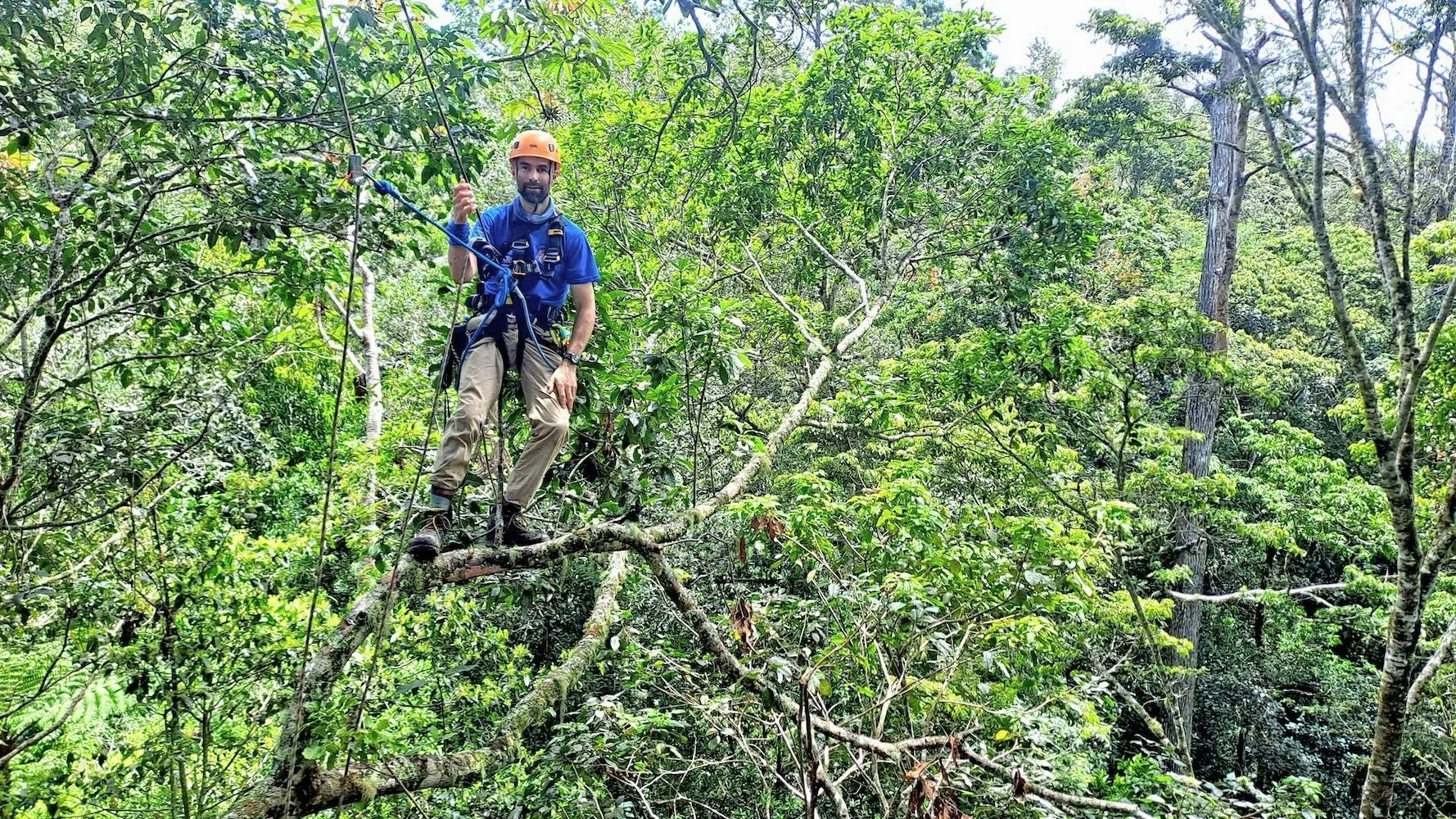
Out on a limb exploring parasitic plants in the canopy
Studying science up in the canopy is amazing and it sure comes with plenty of challenges!
The physically demanding nature of working in these remote locations means that this arboreal biotic zone is often inaccessible and understudied. In the tropics we can be working in the remote, high mountains 30-50m above the ground where it feels a totally different world, one where humans become clumsy and awkward whilst nature appears effortless and very much the expert. Up there you can hear life all around you and yet the makers of the whistles, squawks, rattles and whines are almost impossible to see. Tree branches branch are upholstered in a thick fabric of plants of all kinds. And it’s often hot and humid, and beset by storms and downpours, to say nothing of all the insects keen to come drink your blood.
Tree expert Dr. Simona Zahner (below) installs a camera trap high in the canopy as part of our studies whilst on expedition with Operation Wallacea in Honduras. Simona is attaching the camera to spy through the lianas into the tree over her left shoulder. Our intended target here was a family of Kinkajou. These highly arboreal mammals are about the size of a domestic cat, are strictly nocturnal and usually too shy to see. Known for their sweet tooth, Kinkajou are fond of nectar and often give themselves away by their habit of feating on the juicy bases of bromeliad leaves which then litter the forest floor below.
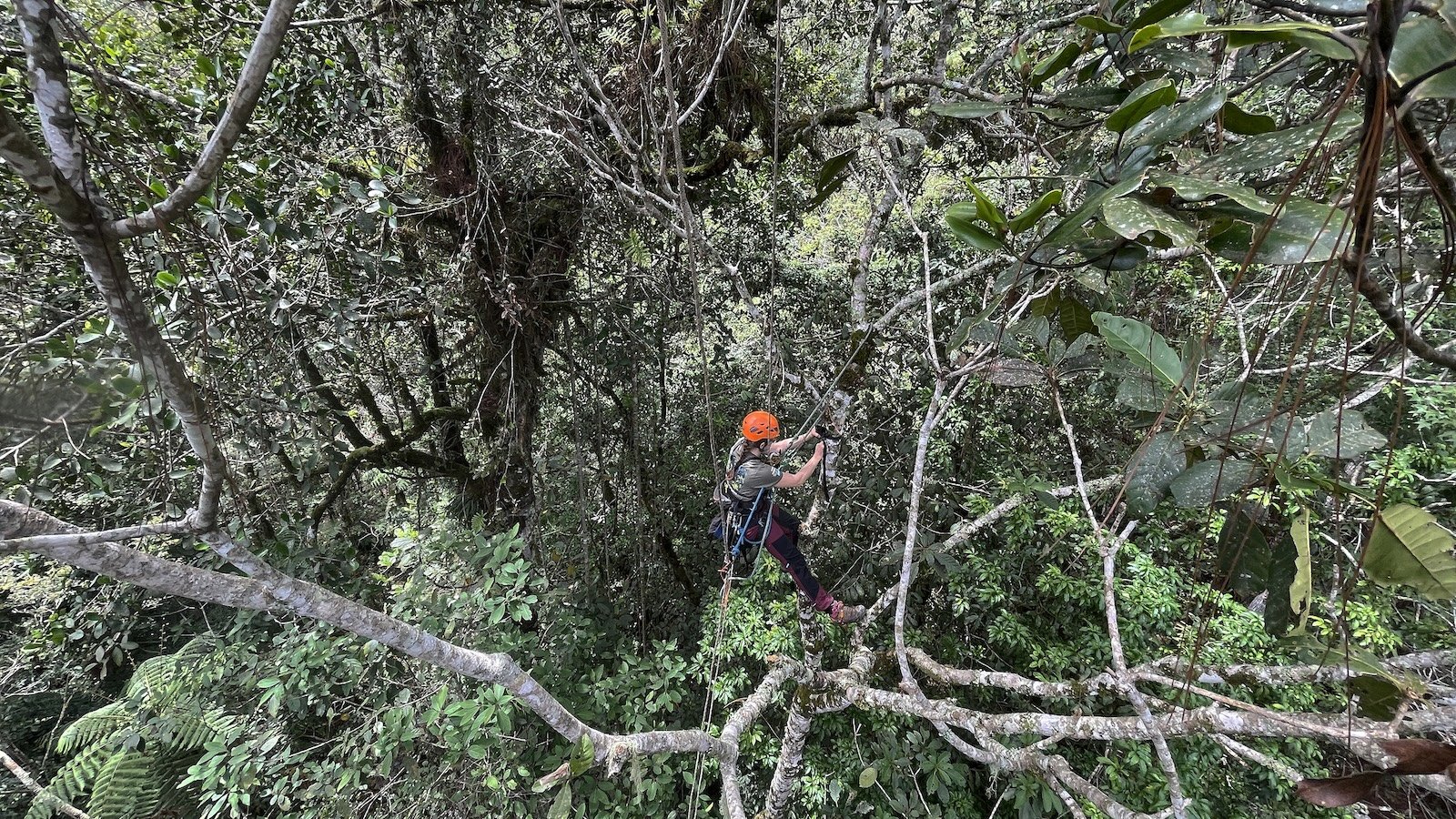
Dr Zahner attaches the camera trap.
To get there we climbed ropes, navigating our way 20m up through the complex 3D world of vines and branches to reach the feeding zone. On the way we dodged surprisingly thirsty sweat bees (which kept crawling inside my climbing helmet!) and a nest of ants living within rotten branches up there. We also took special care to avoid damaging the intricate, delicate plant life up there, with orchids, bromeliads and a parasitic mistletoe themselves homes to many species of invertebrates and amphibians. Note how, whilst Simona is temporarily anchored to the camera tree, her main climbing lines are actually coming from way up above, enabling us to access an otherwise inaccessible tree.
Now we knew the Kinkajou were about as we had seen the signs, and also we smelled them. Really smelled them - at a certain height, the leaves all whiffed! Whilst delightful and charming, Kinkajou have a habit of peeing freely from the branches in specific places. But despite knowing their habits and location, finding the signs and setting up the camera in a really good spot, all our efforts only resulted many images of waving branches (it had been stormy) and one of a large moth. However, it was still a very interesting and rewarding experience and a good example of just how difficult it is to study some of the more elusive animals within a jungle ecosystem.
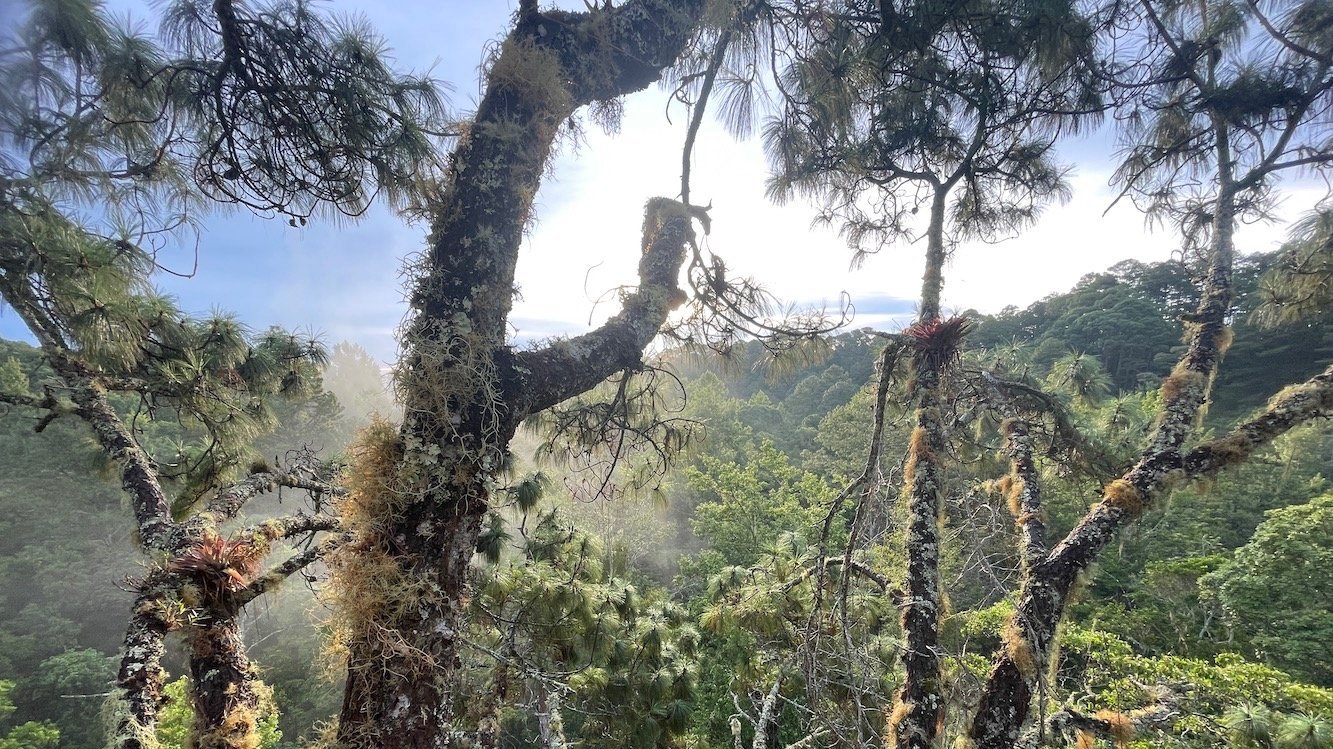
Early morning in the cloud forest canopy
Cloud forests live up to their name, with mist, fog and rainfall all helping to ensure an ecosystem rich in epiphytic communities. These plant communities provide habitat for birds, invertebrates, reptiles and even mammals. Tree and epiphytic diversity is high and seeds and fruit come in all kinds of wonderful shapes and sizes. Indeed, tropical forests are often areas of exceptionally high biodiversity. The high-altitude tropical forests of Central America classed as tropical montane cloud forest are super important areas of high biodiversity and with very localised levels of endemism - a species can be limited to a single 10km area and no-where else in the world!
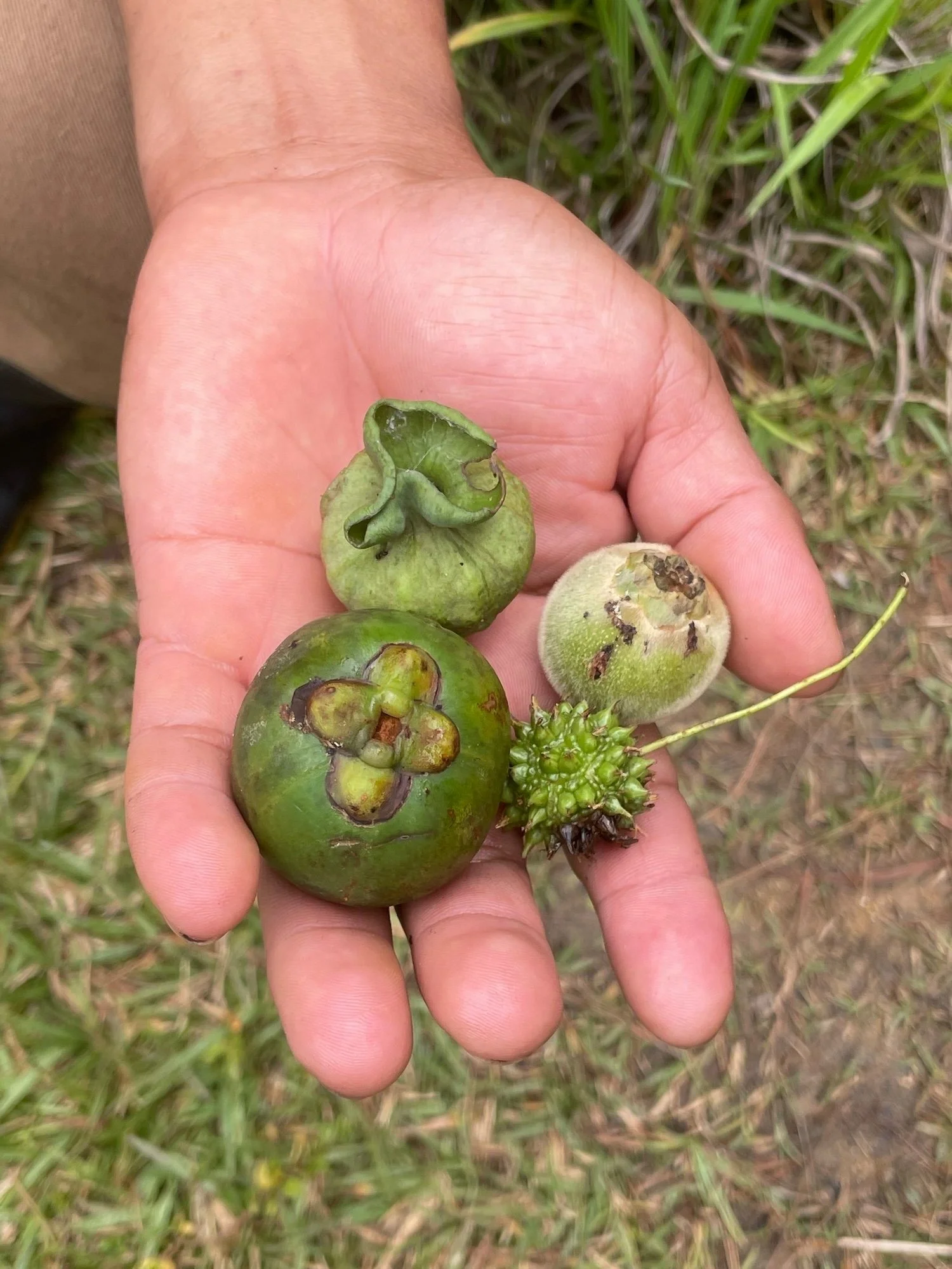
Tree seeds diversity, Honduras
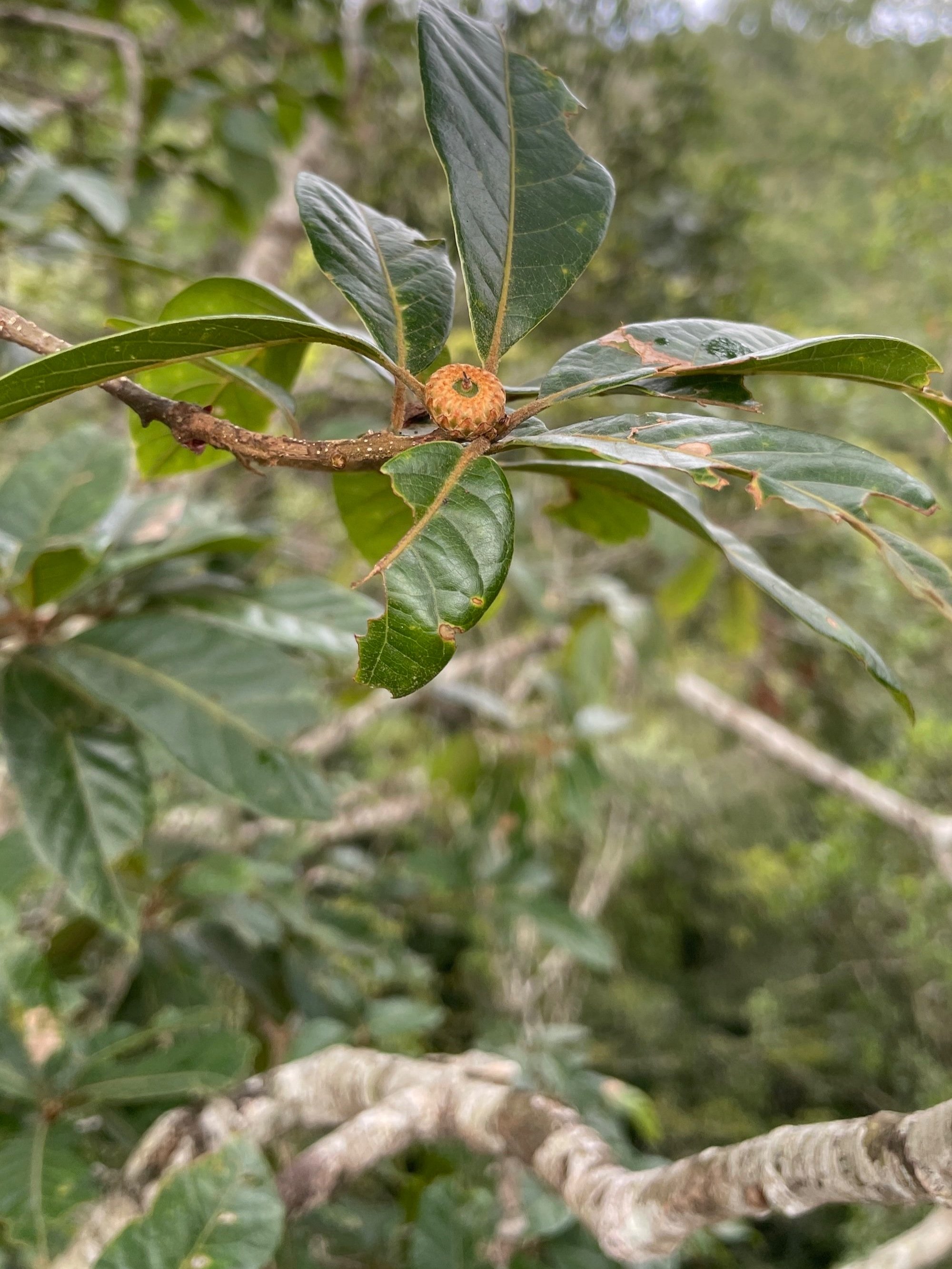
Oak tree, Cusuco National Park
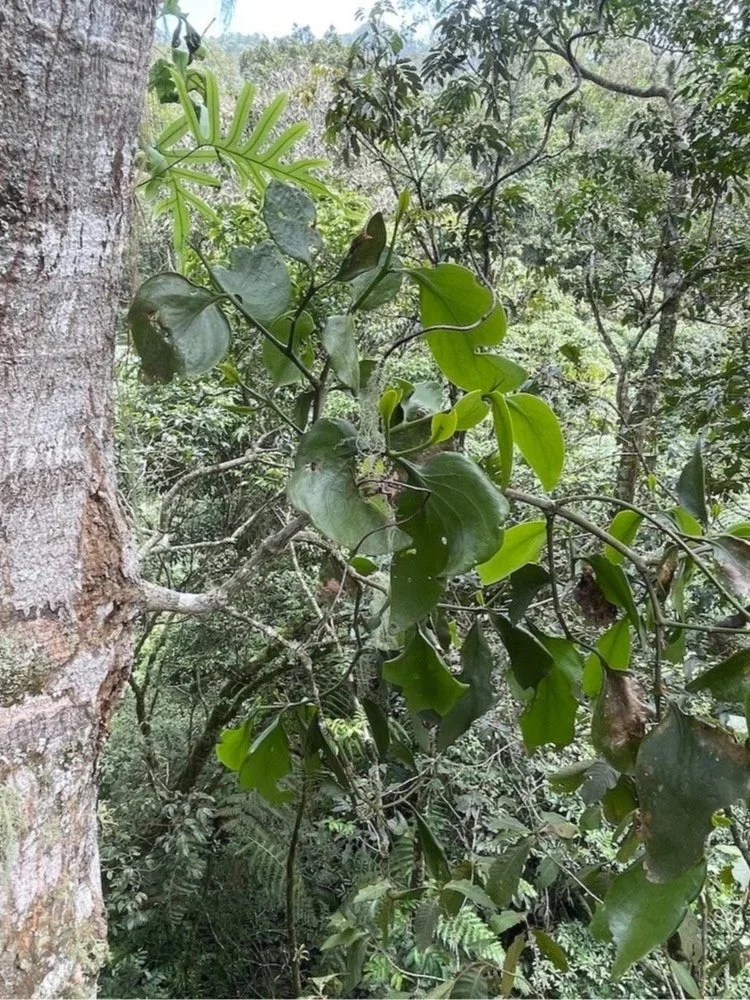
Mistletoe growing out of host
I experienced this first hand over several months in the incredible Cusuco National Park of Honduras as part of the Canopy Access team with Operation Wallacea. The amazing local guides there, alongside keeping everyone safe, shared some of their immense knowledge of the forest with us, bringing us examples of fallen fruit so we could learn about the local species. There were night-hikes to find and measure rare tree frogs along rivers and we marvelled (at a safe distance) at the many beautiful though extremely venomous snakes. The tree snakes were certainly quite something - so long and incredibly slender, and boy could they move fast if you came on them unawares! Others like the pit-vipers seemed happy to snooze for days in the same place, waiting on their next meal.
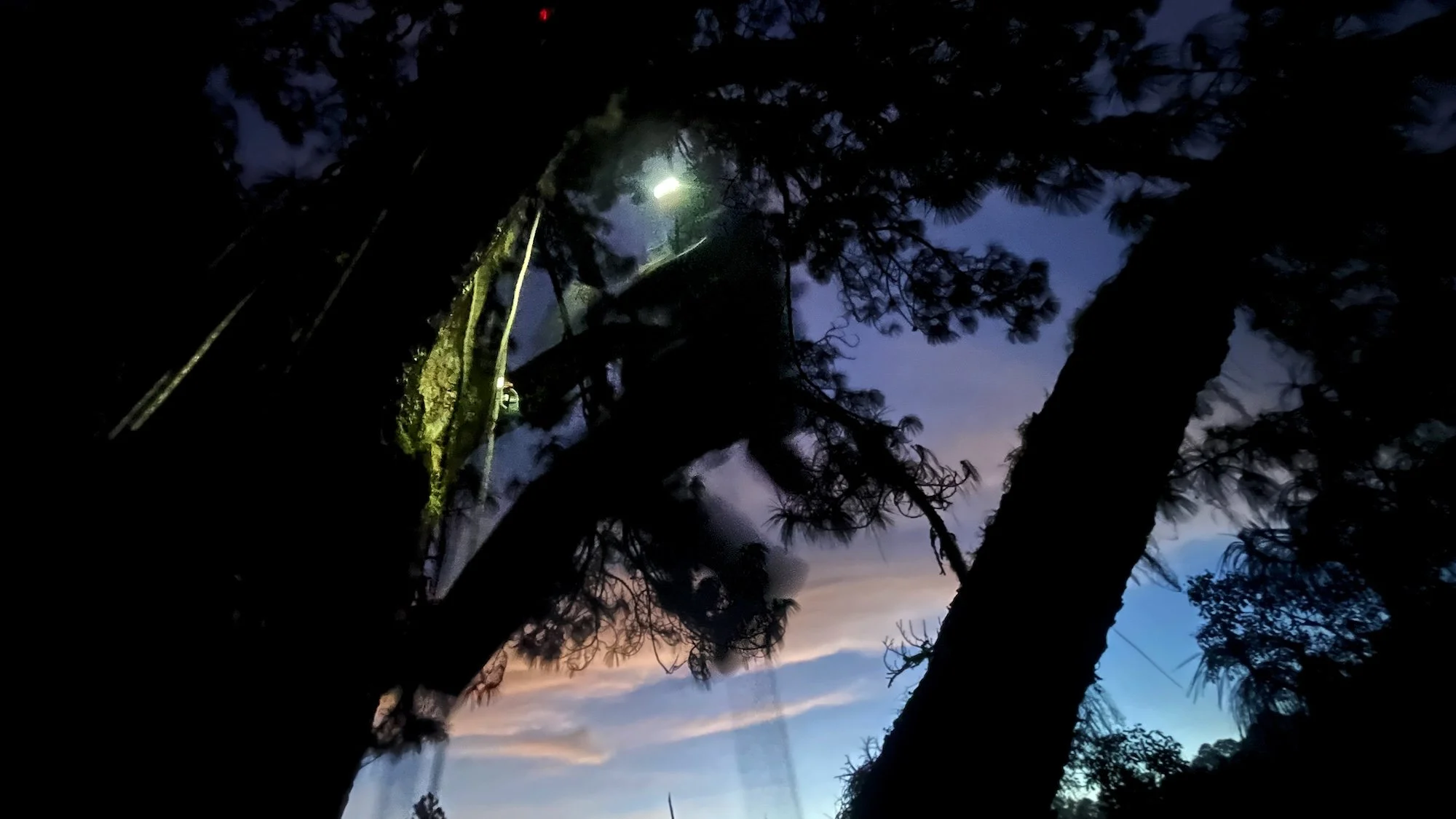
Night climbing into the tree tops in Cusuco National Park, Honduras
In between guiding hundreds of students into the tops of two giant pines, we assisted scientists in their research: one day we might be installing special glass tubes within the canopy of Thin-leaved Pines to capture VOC’s (volatile organic compounds); on another, we might be sent out to set up scent traps for insects over a river. And in windows between the storms, we took a lucky few on night climbs (with its 4am start!) to watch the forest come alive at dawn from a perch high above the main canopy, a real marvel for ornithologists.
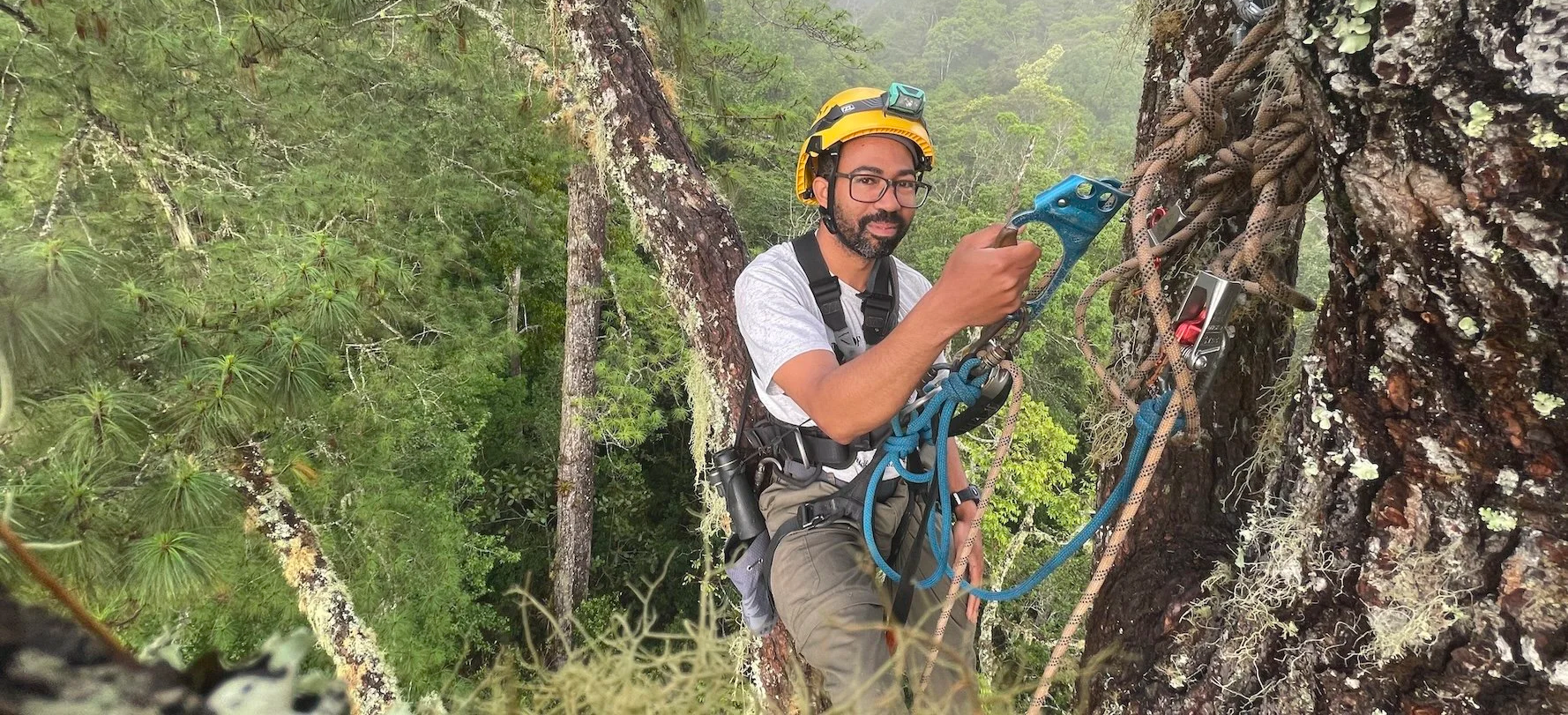
“Once at the top, it was everything I dreamed of and more…the sheer grandiosity of this place took my breath away in an instant. It was so incredibly green! And we saw so many birds!”
— DAVID J PEREIRA
Sometimes climbing up into a single tree isn’t enough. That is where a bit of extra technique is required to traverse between trees out into free space. And with the right kit and good, high anchor points, you can reach pretty much any point. Deiver Espinosa (below) is an expert at this and has been instrumental in some ground breaking new research I look forward to reporting on soon.
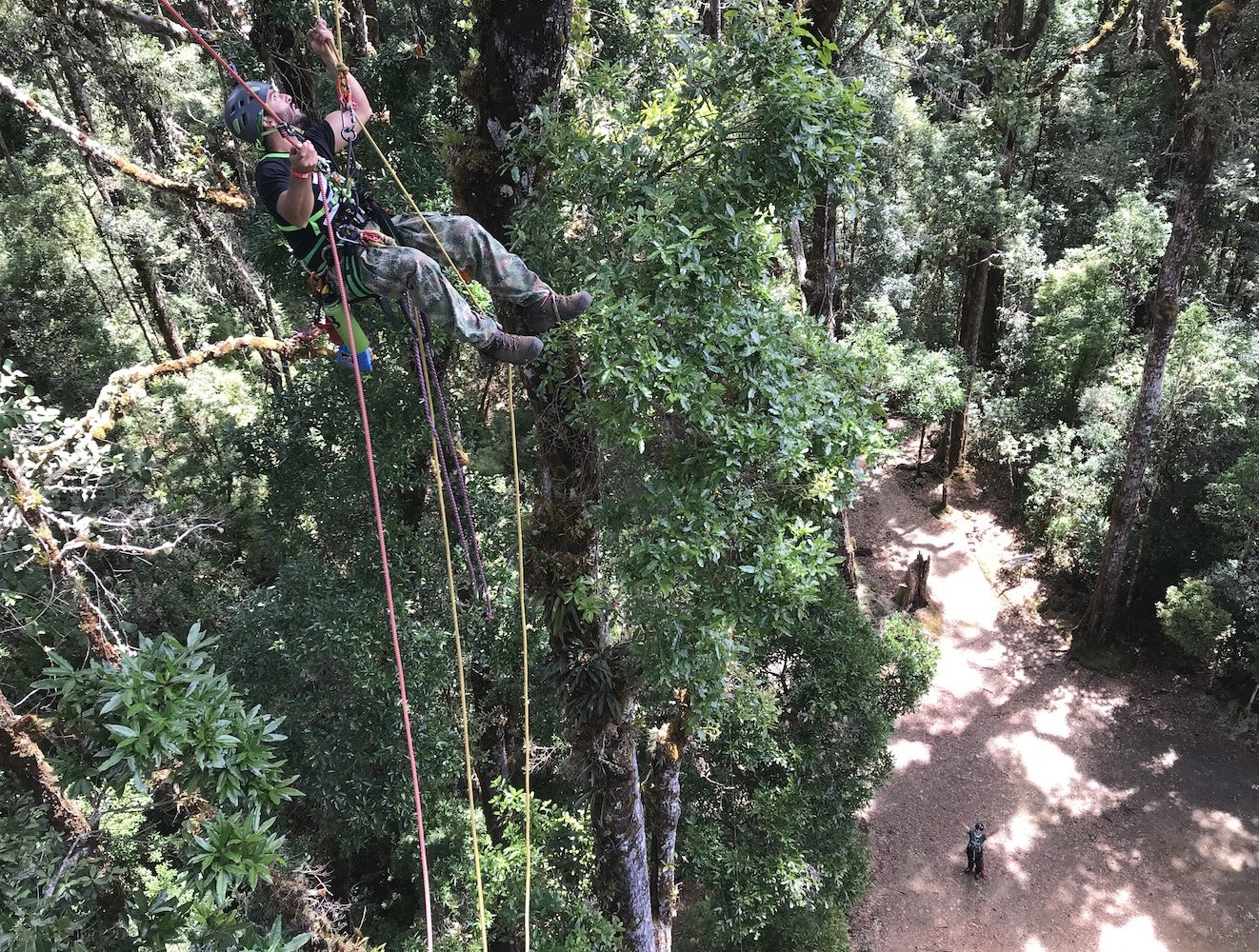
Tree expert Deiver manoeuvring between oaks in the cloud forest, Costa Rica
Sadly, whilst cloud forests are the most threatened forest type in the world, they are still disappearing at alarming rates to make way for agriculture. Climate change is further exacerbating these pressures and so there is much work to do to protect them for the future.
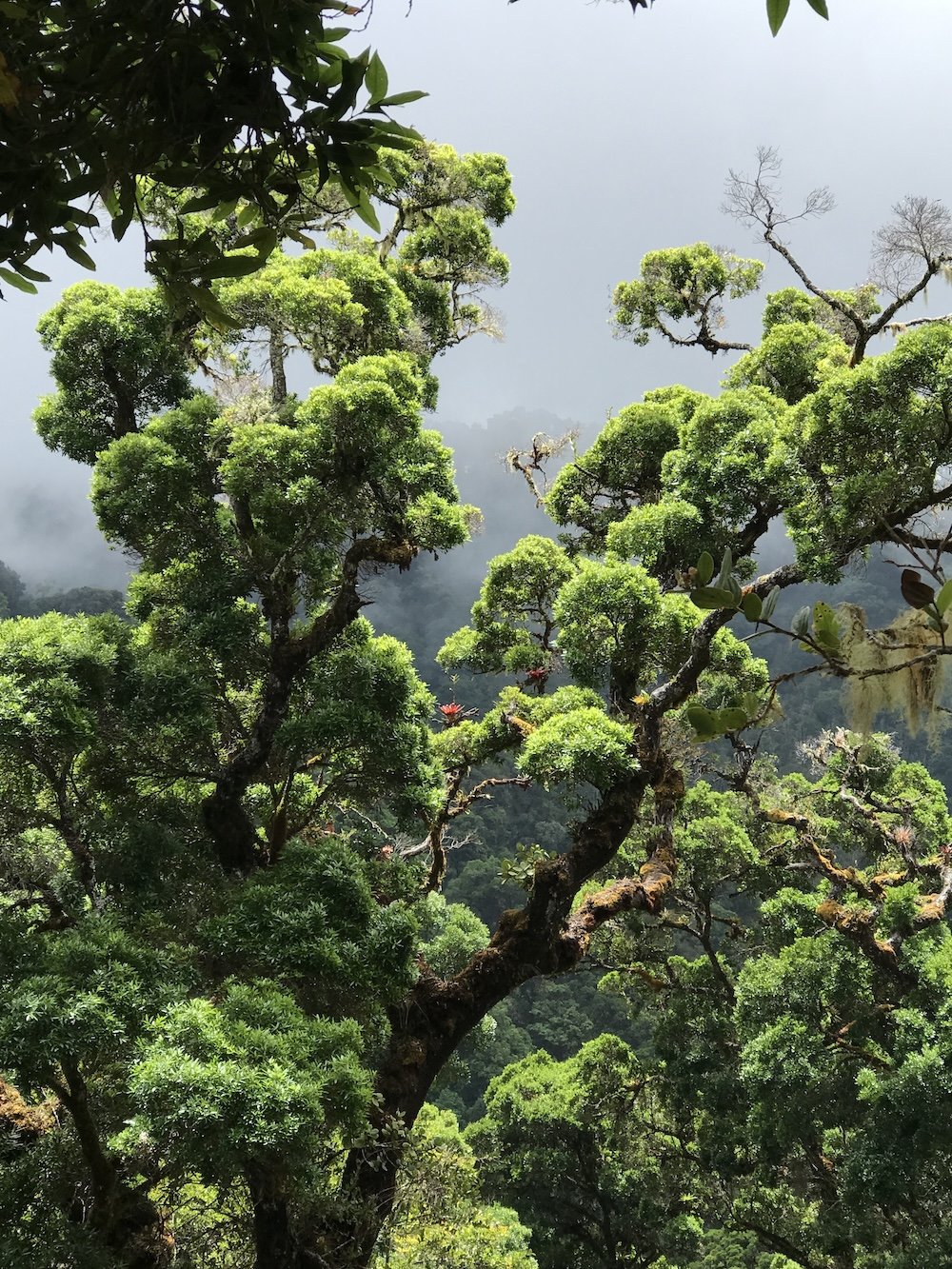
Red bromeliad in a ray of sunshine through the clouds, Costa Rica
